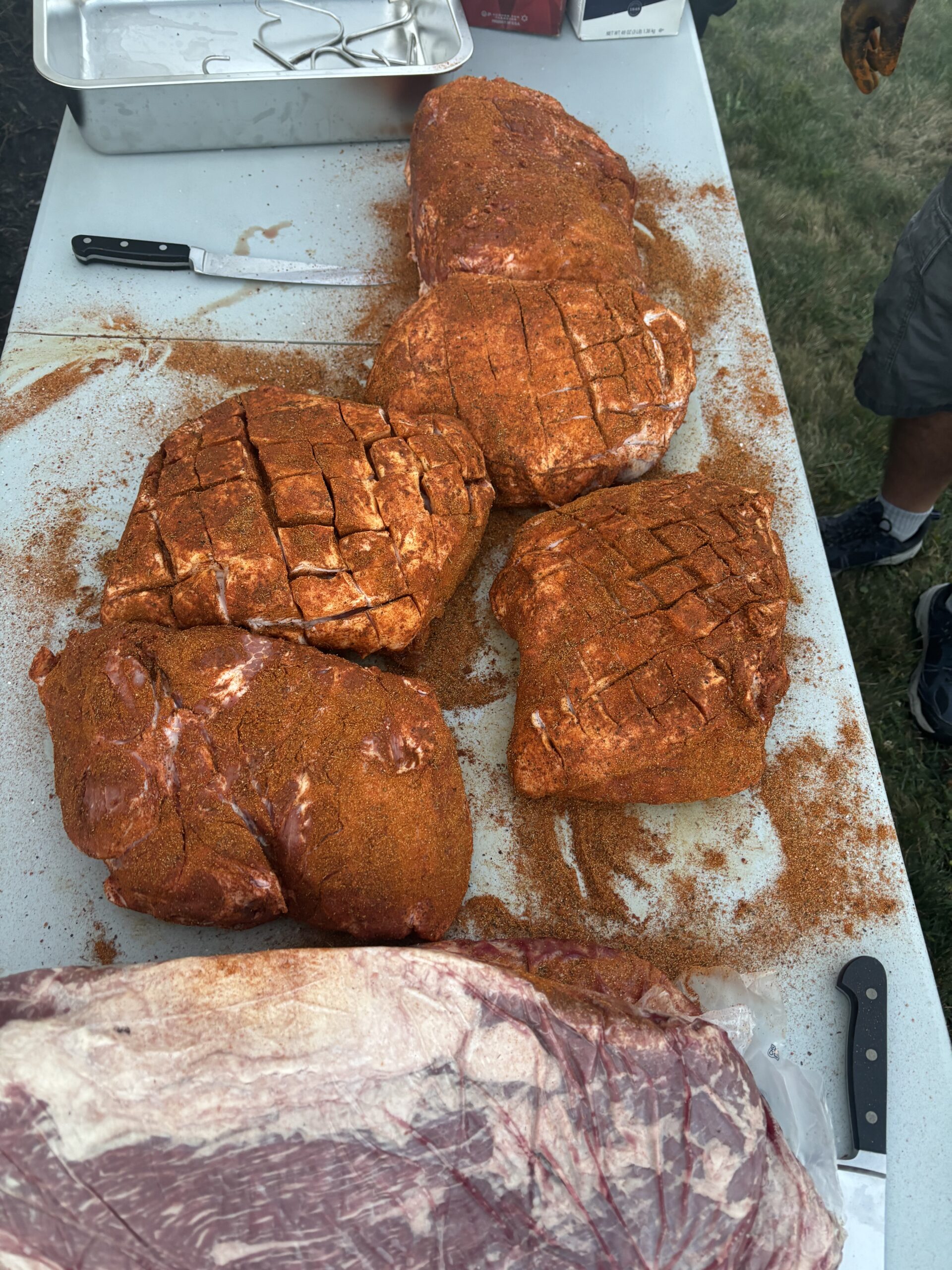
Mastering the Johnson Rub BBQ System: Balanced, Simple, Built for Fire
Introduction to BBQ Dry Rub
At its core, a BBQ rub is simple: a blend of spices that seasons the meat and sets the stage for everything that happens once heat, smoke, and time get involved. A good rub doesn’t overpower the meat — it supports it. It builds flavor, helps create bark, balances sweetness and heat, and adds color that tells you something delicious is happening long before you take the first bite. That deep red, mahogany, or golden crust isn’t just for looks — it’s part of the experience.
A Brief History of Rubs
Long before sauces and injections showed up, pitmasters relied on rubs as both seasoning and preservation. Early cooks used salt and pepper because that’s what they had — simple, functional, effective. As trade routes expanded and spices became more available, regional styles emerged:
- Texas: paprika‑heavy blends that deepen color and bark
- Carolina: mustard, turmeric, and tangy profiles
- Southwest: chili powder, cumin, and layered heat
Over time, rubs became more than seasoning — they became identity. Every pitmaster had “their blend,” guarded like treasure, tweaked over decades, and passed down through cooks, competitions, and backyard experiments. A rub wasn’t just a recipe; it was a signature.
If you want to try some different commercially available options, keep in mind that these will include salt… and lots of it…so adjust accordingly.
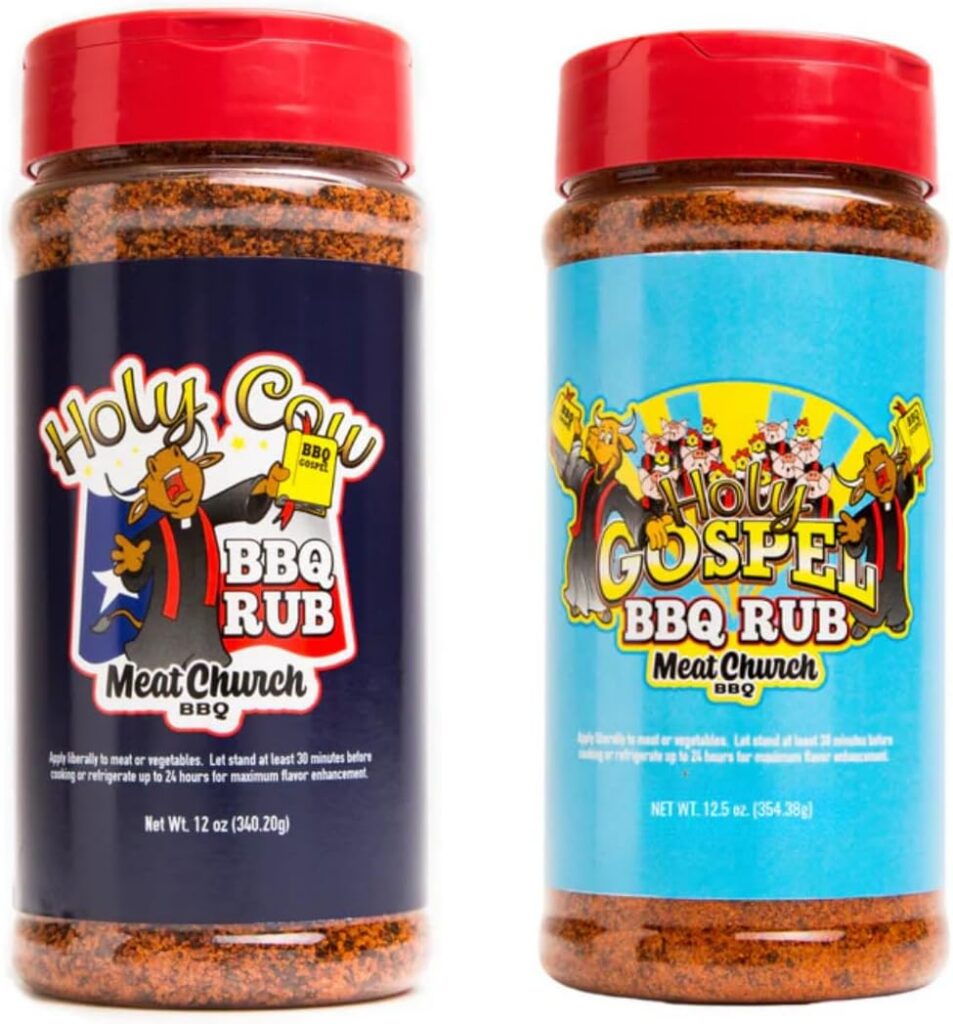
Meat Church BBQ has a solid lineup of sauces and rubs. The Hole Cow and Holy Gospel are both pretty versatile, good flavor options
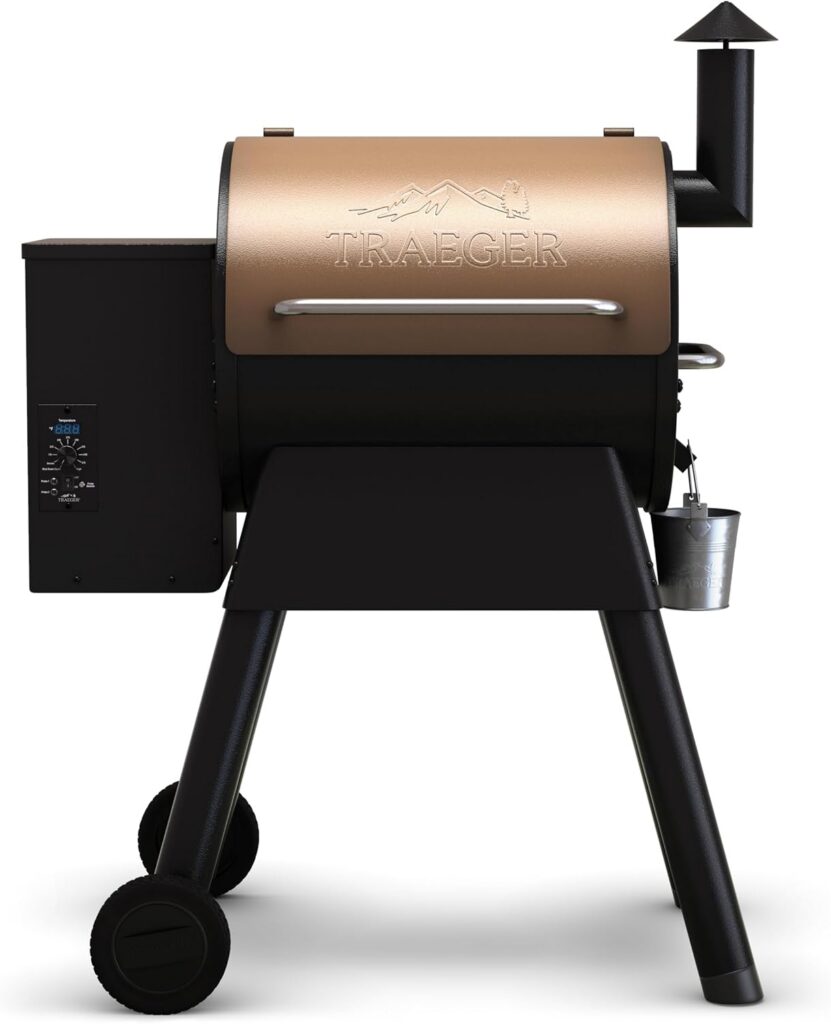
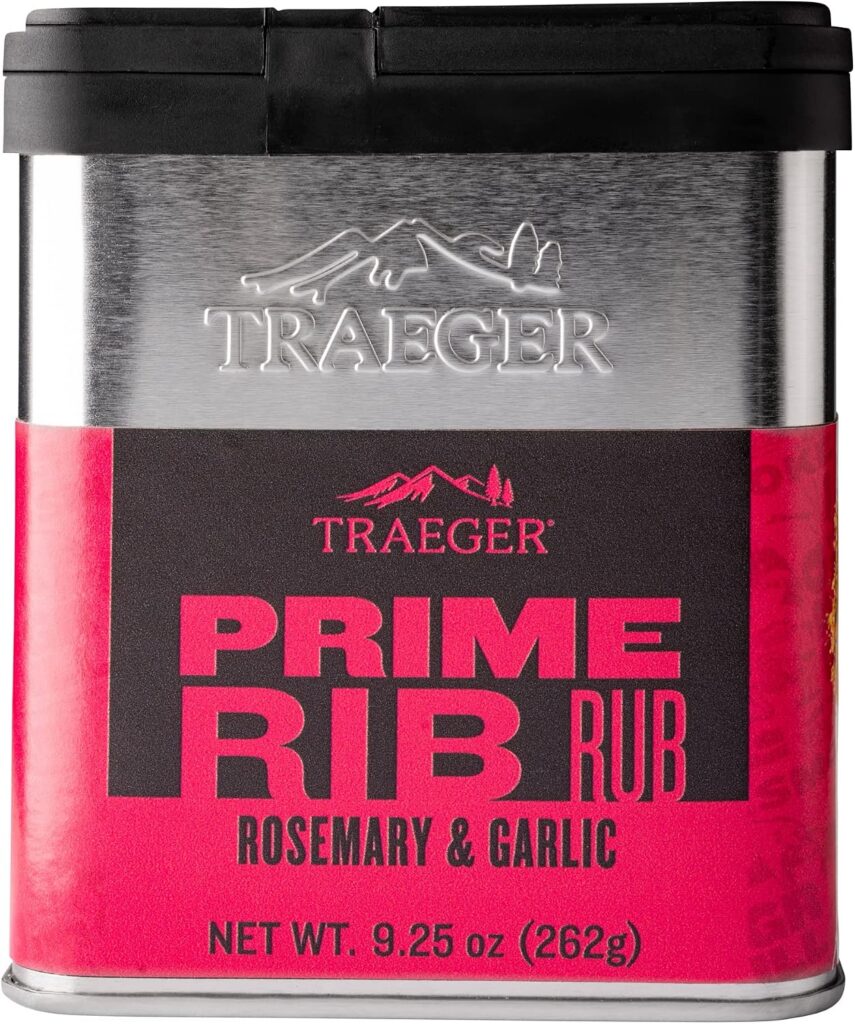
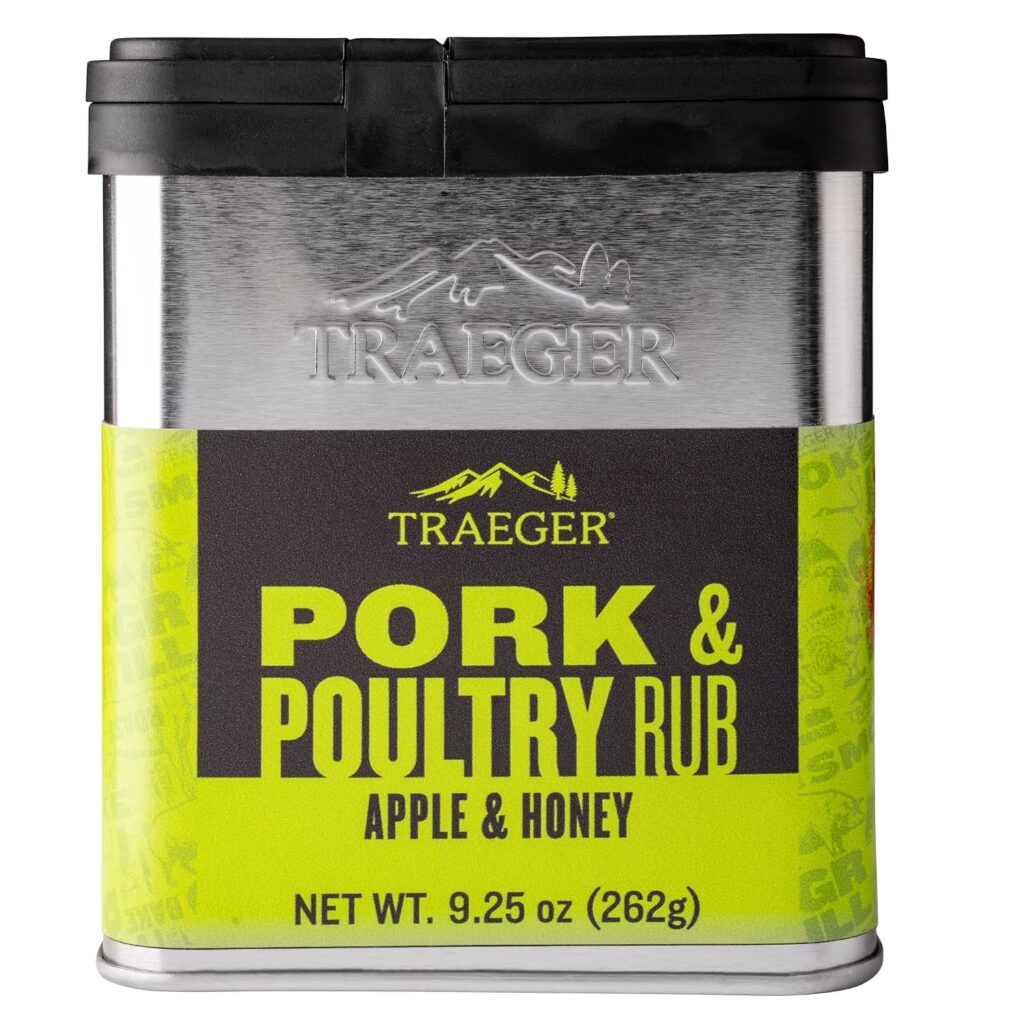
Traeger, besides making high quality pellet-smoker grills, makes a legit series of rubs and sauces as well. Try the Prim RIb Rub for beef or the Pork & Poultry Rub for anything else.
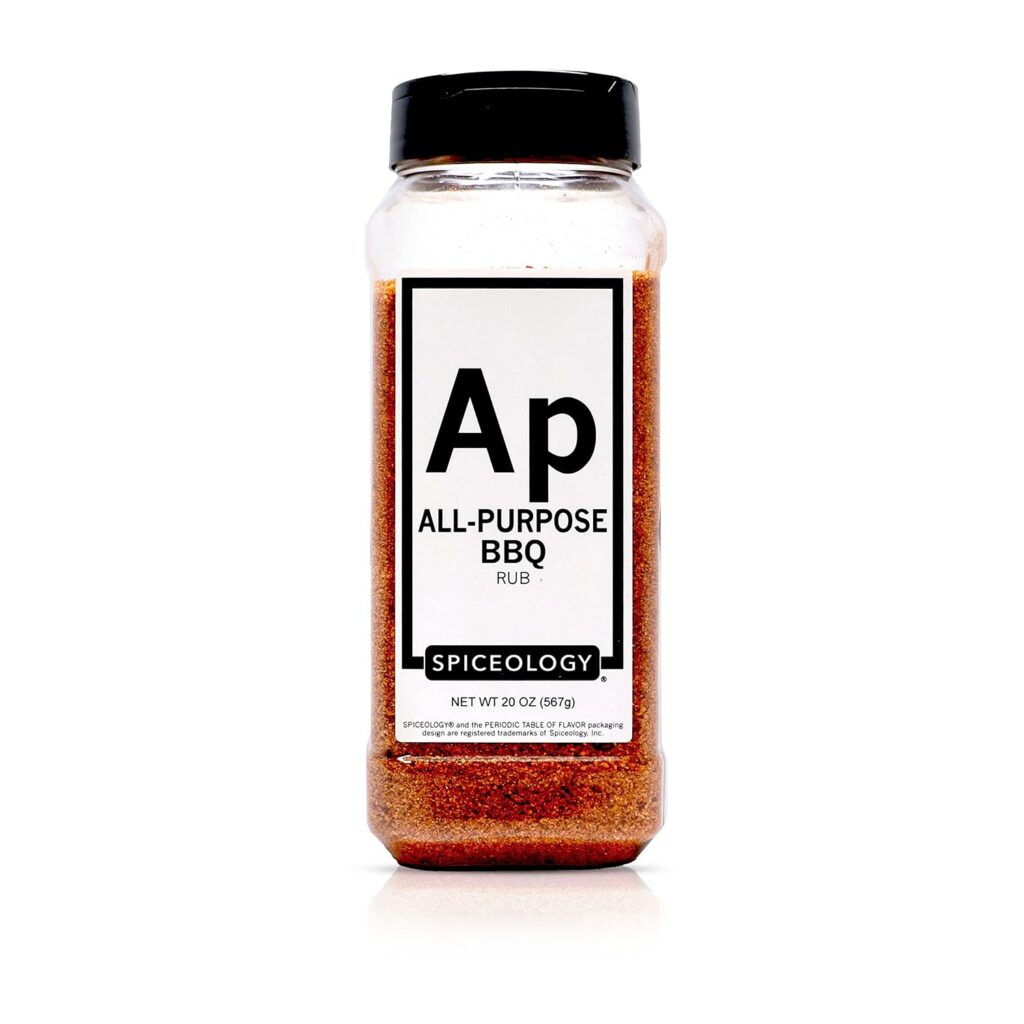
Spiceology makes a wide range of custom flavors, but their Ap All-Purpose BBQ Rub is a good tasting base rub. They do tend to be a little pricer.
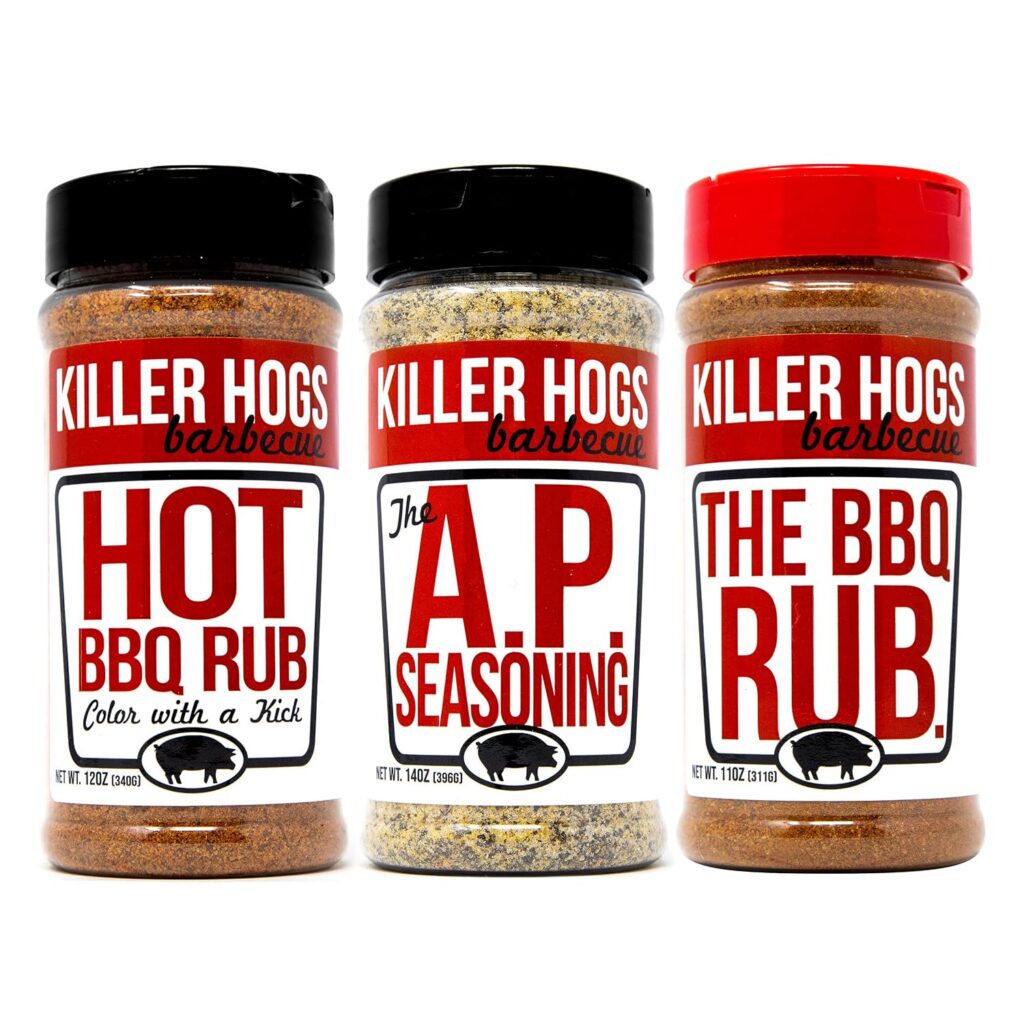
Last one I’ll mention is Killer Hogs Barbecue. They The AP Seasoning and The BBQ Rub are both versatile options.
Meat Church and Killer Hogs have some good content on YouTube as well, so once you’ve been through the Slowpaddle channel, check them out!
Where the Johnson Rub Fits In
The Johnson Rub sits right in that tradition. It’s simple, intentional, and built from spices that each serve a clear purpose. It’s not trying to be fancy — it’s trying to be balanced. It’s the kind of rub you can use on anything: brisket, ribs, wings, pork shoulder, chicken thighs, burgers, even vegetables if you’re feeling bold. It’s built to be reliable, repeatable, and easy to scale.
But it didn’t start out that way. This rub came together over years of cooks, tweaks, and experiments — adding spices, removing spices, trying herbs, abandoning herbs, chasing flavors that worked beautifully on one cut of meat but made no sense on another. Eventually, the pattern became obvious: the best versions were always the simplest ones. The blends where every ingredient had a job, nothing was extra, and the ratios stayed balanced. That’s how the Johnson Rub became what it is today — a clean, purpose‑driven base rub.
And base rub is the key phrase. There’s no salt in this blend. There’s no sugar either. Those ingredients aren’t missing — they’re handled separately, on purpose.
Salt gets its own lane because salt does magic when you give it time. In most cooks, I’ll dry brine the meat with kosher salt the day before. That gives the salt time to pull moisture to the surface, dissolve, and then work its way back in. It seasons deeper than any rub ever could, and it changes the texture of the meat — helping proteins unwind and re‑form so the final cook stays juicier, more tender, and more forgiving. When salt gets a full day to do its thing, the rub doesn’t need to carry any of that load. It just needs to bring flavor.
Sugar gets its own lane too — because sugar is incredible on pork, but not on beef. When I’m cooking pork butt, I’ll add Sugar in the Raw separately. It caramelizes beautifully, helps build bark, and plays perfectly with smoke. But beef doesn’t want sweetness. It doesn’t need caramelization. So the Johnson Rub stays sugar‑free by default, ready to be paired with whatever the cook calls for.
The result is a rub that’s flexible, clean, and built for real BBQ. A rub you can adapt depending on the meat, the cook, and the flavor profile you’re chasing — all without losing the structure that makes it work.
The Story Behind the Johnson Rub
How the Blend Came Together
The Johnson Rub didn’t appear overnight. It came together the same way most good BBQ ideas do — slowly, through repetition, curiosity, and a whole lot of trial and error. Early on, I threw everything at the wall: different spices, random herbs, blends that looked great on paper but fell apart on the smoker. Some versions were too earthy, some too hot, some too sweet, some too complicated. And some ingredients just didn’t provide enough to justify the cost.
A great example is white pepper. I remember watching a BBQ competition on Food Network where a pitmaster talked about how white pepper hits differently than black or red pepper. And he’s right — it does. It has a sharp, clean heat that’s interesting. But in most cooks, that impact is so subtle that it doesn’t justify the high cost of adding it to a rub. It’s one of those ingredients that taught me an important lesson: just because something is interesting doesn’t mean it’s necessary.
Every cook taught me something, and over time the pattern became impossible to ignore: the best rubs were always the simplest ones. The blends where every ingredient had a job, nothing was extra, and the ratios stayed balanced.
Early Cooks, Experiments, and Adjustments
I tested this rub on everything: brisket, ribs, wings, pork shoulder, chicken thighs, burgers, even vegetables—it’s superb on yellow squash or zucchini. Each cook pushed the blend in a different direction. I’d add cumin, then remove it. Try mustard powder, then abandon it. Increase the heat, then dial it back. Swap chili powders. Adjust paprika levels. Change grind sizes. Every tweak sharpened the rub’s identity.
The Johnson Rub Philosophy
The Smokes
This group is the foundation of the Johnson Rub — the warm, earthy flavors that naturally pair with real wood smoke. None of these spices are trying to imitate smoke; they already carry their own built‑in smokiness because of how they’re grown, dried, and processed. Paprika comes from dried, ground red peppers, often sun‑dried or kiln‑dried, which concentrates sweetness and gives it that soft, smoky undertone. Chili powder is a blend of dried chilies (like ancho or New Mexico peppers) ground with supporting spices; the drying process deepens their flavor and adds a natural warmth that plays beautifully with fire. Cumin comes from the dried seed of the cumin plant, traditionally toasted before grinding, which gives it that unmistakable earthy, smoky aroma. Together, these spices support the smoke. They create a warm, rounded base layer that blends seamlessly with whatever wood you’re cooking over, whether it’s hickory, oak, apple, or cherry.
The Colors
Color matters in BBQ — it’s part of the experience. That red‑orange glow you see on great ribs, brisket, wings, or pork shoulder isn’t just decoration; it’s the look of spices marrying with smoke and heat. It’s that warm, mahogany‑to‑sunset gradient that tells you the bark is building, the fat is rendering, and the cook is headed exactly where it should. Paprika shows up again here, because it has a second job. It’s the primary color driver in the rub, giving meat that deep red bark that signals something good is happening. Turmeric, made from the dried and ground root of the turmeric plant, adds a golden undertone that brightens the blend and helps the crust pop visually. Paprika and turmeric help the final cook look like BBQ should look — bold, warm, and unmistakably alive.
The Savories
This is the flavor backbone: onion powder, garlic powder, and thyme. Onion and garlic powders are made by dehydrating the fresh bulbs and grinding them into a fine powder, which concentrates their natural savory richness. They’re the workhorses of BBQ — dependable, familiar, and essential. Thyme, on the other hand, brings a subtle herbal lift. It’s harvested, dried, and rubbed to release its oils, giving the rub a quiet complexity without drifting into “herb rub” territory. It doesn’t dominate, but it fills in the gaps, and performs well on long cooks. Together, these three create the savory structure that makes the rub feel complete.
The Heat
This group brings the spark — it triggers a biological response. A touch of spice makes your mouth water, literally increasing salivation, which helps you taste more of the meat and more of the rub. That small physiological nudge changes how your brain receives the food: flavors feel bigger, richer, and more alive. Black granulated pepper comes from dried peppercorns that are cracked rather than finely ground, giving you a steady, predictable heat that works on every cut of meat. Cayenne, made from dried and ground cayenne chilies, adds a sharper, brighter heat that you can dial up or down depending on the cook. Cayenne is the only ingredient that breaks the equal‑parts rule because heat is personal — some cooks want a whisper, some want a punch. This group lets you choose, and it helps the final bite hit with the kind of impact that makes BBQ memorable.
It’s a true base rub. No salt. No sugar. Those aren’t omissions — they’re intentional choices. Salt and sugar behave differently depending on the meat, the cook, and the timing. Separating them gives you control instead of locking you into one flavor profile.
This approach makes the Johnson Rub flexible in a way most rubs aren’t. It’s not a “one flavor fits all” blend — it’s a foundation you can build on.
Why It Works on Almost Everything
Because the rub is built on equal parts and grouped by purpose, it stays balanced no matter what you put it on. The smokes bring depth. The colors bring bark and visual appeal. The savories bring backbone. The heat brings lift and contrast. Nothing dominates. Nothing gets lost.
Pair that with proper salt work — usually a dry brine with kosher salt the day before — and the rub becomes a finishing layer of flavor instead of a blunt instrument. On pork, you can add Sugar in the Raw to create caramelization and bark. On beef, you skip the sugar and let the meat speak for itself.
The result is a rub that works on almost everything because it was built to work with almost everything. It’s simple, intentional, and structured — the kind of blend you can rely on whether you’re cooking for two people or twenty.
The Johnson Rub Recipe – Variations – Uses
The Johnson Rub is built on equal parts, which makes scaling effortless. The recipe below uses a ¼‑cup base unit, and that single batch will make enough rub for several cooks — usually a few rounds of wings, a half-dozen racks of ribs, a couple of pork shoulders, or even a 2 -3 briskets. I mix a batch and store it in a sealed glass jar, and it keeps beautifully. If you want a small batch, just convert the ¼‑cup measurements to tablespoons (¼ cup = 4 tbsp) while keeping paprika doubled. If you need a competition‑sized batch, scale everything up to 1 cup each, again doubling the paprika. Cayenne is the only ingredient that doesn’t scale linearly — adjust it to taste depending on how much heat you want, but never skip it completely. Whether you’re making a few tablespoons or a full jar, the equal‑parts structure stays the same, the balance stays the same, and the rub tastes exactly the way it should.
Exact Measurements (Grouped by Purpose)
Smokes
- Paprika — ¼ cup
- Chili powder — ¼ cup
- Cumin — ¼ cup
Colors
Savories
- Onion powder — ¼ cup
- Garlic powder — ¼ cup
- Thyme — ¼ cup
Heat
- Black pepper (course ground) — ¼ cup
- Cayenne Red Pepper — 1 to 3 teaspoons, adjusted to taste but never skip
Start Here: Dry Brine First
If you’re cooking muscle (meat that isn’t ground) the salt needs to do its job before applying any rub. A proper dry brine is the foundation of every great cook. Sprinkle kosher salt evenly over the meat the day before, then let it rest uncovered in the fridge. The salt pulls moisture to the surface, dissolves, and then works its way back in — seasoning deeper than any rub ever could. It also changes the texture of the meat, helping proteins unwind and re‑form so the final cook stays juicier, more tender, and more forgiving. For poultry pieces, 20-30 minutes of dry brine is usually adequate, but for a whole bird overnight is best. Fruits and veggies don’t really require a dry brine, but a little kosher salt will help bring out the flavors.
Once the salt has had time to work, it’s time to rub your meat.
Brisket
Brisket loves the Johnson Rub exactly as written. The equal‑parts structure gives you a balanced bark, and the paprika + turmeric combination creates that deep red‑orange glow that brisket is known for. Apply a generous coat — brisket can take a lot of rub. No sugar here. Beef doesn’t want sweetness.
Finishing Juice:
When the brisket hits the stall and the bark is set, I wrap it in foil with a finishing juice that takes the Johnson Rub’s flavor profile and pushes it deeper into the meat. It’s a mix of beef bouillon, a spoonful of the rub, fish sauce, Dijon mustard, garlic, rosemary, and thyme — a savory, umami‑heavy blend that amplifies everything the brisket is already doing. The beef broth adds moisture and richness, the rub ties the bark to the braise, the fish sauce brings a deep, salty umami that disappears into the meat but makes every bite taste more “beefy,” and the Dijon adds flavor complexity and helps emulsify the liquid so it clings instead of pooling. Garlic, rosemary, and thyme echo the savory backbone of the rub and infuse the foil with a warm, aromatic steam. As the brisket finishes cooking, that juice circulates inside the wrap, basting the meat, softening the bark just enough, and creating a final texture that’s tender, sliceable, and loaded with flavor.
Pro Tip:
After slicing the brisket, pour some of this amazing au jus over top!
Poultry (Thighs, Drumsticks, Whole Bird)
For poultry, I’ll add sage and apply a moderate coat of rub. This works great on chicken, turkey, and duck. The savory group (onion, garlic, thyme, and the added sage) is especially good, and the color group helps the skin brown evenly. The bird doesn’t need sugar, and it doesn’t need a heavy hand with heat unless you want it.
Wings
Wings are where the Johnson Rub really gets flexible. The equal‑parts structure gives you even coverage, and the heat group helps make your mouth water — literally — which amplifies flavor. Give wings a light, even dusting at the beginning of the cook, and apply your sauce at the end.
- For dry rub wings, at the end of the cook apply a mix of dry ranch seasoning, thyme, and sage, with the Johnson’s Rub. For a sweater version add brown sugar.
Pork Shoulder (Pork Butt)
This is where sugar enters the chat, because pork absolutely loves sweetness. After dry brining, score the fat cap with cuts so the fat will render well during the cook. Apply the Johnson Rub generously, then sprinkle Sugar in the Raw (aka Turbinado sugar) over top. As the pork cooks, that sugar caramelizes, helps build bark, and plays perfectly with smoke. Mustard powder also shines on pork — more than it ever did on beef or poultry. I used dry mustard in the base recipe for a long time, but it never really showed up in those cooks. With pork, though, something different happens. There’s a little bit of magic in the way mustard bonds with the fat and smoke, giving the bark a deeper, more complex flavor. The rub’s savory and smoky groups balance the sweetness beautifully, and the mustard ties it all together into that classic, rich pork profile.
Pork Shoulder Finishing Juice
When the pork shoulder hits the stall and the bark is set, I like to wrap it in foil with a finishing juice that pushes the Johnson Rub’s flavor deeper into the meat. Pork bouillon works best here — it reinforces the natural sweetness and richness of the pork — but if you can’t find it, a mix of beef and chicken bouillon gets you very close. To that broth, add a spoonful of the Johnson Rub, a splash of fish sauce, a squeeze of Dijon mustard, and a little garlic and thyme. The broth adds moisture and carries flavor, the rub ties the bark to the braise, the fish sauce disappears into the meat but boosts the savory depth, and the Dijon emulsifies everything so the liquid clings instead of pooling. Garlic and thyme echo the savory backbone of the rub and infuse the wrap with a warm, aromatic steam. As the pork finishes cooking, that juice circulates inside the foil, basting the meat, enriching the bark, and helping the final shoulder come out tender, juicy, and loaded with flavor.
Ribs
Ribs benefit from a medium coat of rub. Too much can overpower the meat, too little can leave the bark thin. The savory backbone (onion, garlic, thyme) shines here, and the color group helps build that classic rib bark.
Fish & Seafood
The Johnson Rub is outstanding on fish and seafood because the equal‑parts structure gives you flavor without overwhelming delicate meat. A light, even coat is all you need. Grouper is one of the best matches — its firm, mild flesh takes on the smoky and savory groups beautifully, and the color group helps the surface brown without needing heavy oil or breading. Grill it hot and fast, and the rub forms a thin, flavorful crust that compliments the fish instead of covering it up.
Shrimp might be the single most underrated use for the rub. The paprika and turmeric help the shrimp take on a gorgeous red‑gold color, the savory group amplifies the natural sweetness, and the heat group gives you that mouth‑watering brightness that makes grilled shrimp taste even juicier. Toss the shrimp lightly in the rub, grill until just opaque, and you’ll get some of the best BBQ shrimp you’ve ever made.
And then there’s salmon, which becomes something special. The Johnson Rub works beautifully on its own, but it becomes superb when you add a touch of rosemary and butter, and cook the salmon on a cedar plank. The cedar adds a soft, aromatic smoke, the rosemary ties into the savory backbone of the rub, and the paprika + turmeric combination gives the salmon a deep, sunset‑colored crust. The fat in the salmon carries the rub’s flavors perfectly, and the cedar plank keeps the fish moist while building a restaurant‑level presentation. It’s one of the best “showpiece” cooks you can make with the Johnson Rub.
Burgers
Burgers love the Johnson Rub because it brings depth without overpowering the beef. Sprinkle a light coat on the outside of the patty. The savory group shines here, and the smoke group compliments the grill perfectly.
Variation — Taco Seasoning
When you crave those Southwestern/Mexican flavors, double the chili powder and cumin in the base recipe, and the Johnson Rub instantly becomes a fantastic taco seasoning — without the heavy salt load you get from store‑bought packets. The boosted chili powder gives you that warm, earthy base, and the extra cumin adds the signature taco aroma and depth. You control the salt yourself, so the seasoning tastes cleaner, fresher, and more balanced. It works beautifully on ground beef, ground turkey, shredded beef or pork or chicken, or even sautéed veggies.
Fruits & Vegetables (The Underrated Johnson Rub Action)
The Johnson Rub isn’t just a meat seasoning — it’s incredible on grilled or cooked fruits and vegetables. The equal‑parts structure gives produce a balanced lift without overpowering it, and the color group helps everything caramelize and brown beautifully. A light sprinkle is all you need. Yellow squash and zucchini take especially well to the rub. Their mild flavor and high moisture content let the paprika, onion, garlic, and thyme bloom on the surface while the heat group adds just enough spark to make each bite pop. As they grill, the natural sugars in the squash caramelize, the rub forms a light crust, and you end up with vegetables that taste richer, deeper, and more “BBQ” than they have any right to.
Pineapple is another perfect match. Its natural sweetness pairs beautifully with the smoky and savory groups in the rub, and the heat group triggers that mouth‑watering effect that makes the fruit taste even juicier. When pineapple hits the grill, the sugars caramelize instantly, the paprika deepens the color, and the cayenne adds a bright contrast that keeps the sweetness from feeling heavy. A quick dusting of the rub turns pineapple into one of the best side dishes you can serve with ribs, wings, or pork shoulder — and it’s also incredible chopped into tacos or served alongside smoked chicken.
How Much Rub to Use
- Brisket & Pork Shoulder: Heavy coat
- Ribs & Chicken: Medium coat
- Wings & Burgers: Light coat
- Seafood, Fruit & Veggies: Just a sprinkle
Closing Thoughts on Using the Johnson Rub
The real beauty of the Johnson Rub is how naturally it adapts to whatever you’re cooking. Whether you’re building bark on a brisket, caramelizing pork shoulder with Sugar in the Raw, dusting wings for that perfect mouth‑watering pop, or adding depth to burgers and tacos, the equal‑parts structure keeps the flavor balanced and predictable. It works just as well on grilled squash and pineapple as it does on shrimp, grouper, or cedar‑plank salmon with rosemary. And with simple variations — hotter, sweeter, competition‑ready, wing‑specific, or low‑salt — you can tune the rub to match the cook, the crowd, or the moment. Once you understand how each group of spices behaves, the Johnson Rub becomes less of a recipe and more of a tool you can use anywhere fire meets food.
We’d love to hear how you’re cooks are going, so please share on YouTube, Twitter/X.com, Instagram, or TikTok